
When I first started working on home insulation projects under SZ Home Art, I realized most homeowners struggle with the same issue: rooms that never stay warm in winter or cool in summer. In many cases, the real problem isn’t heating or cooling systems—it’s poor insulation.
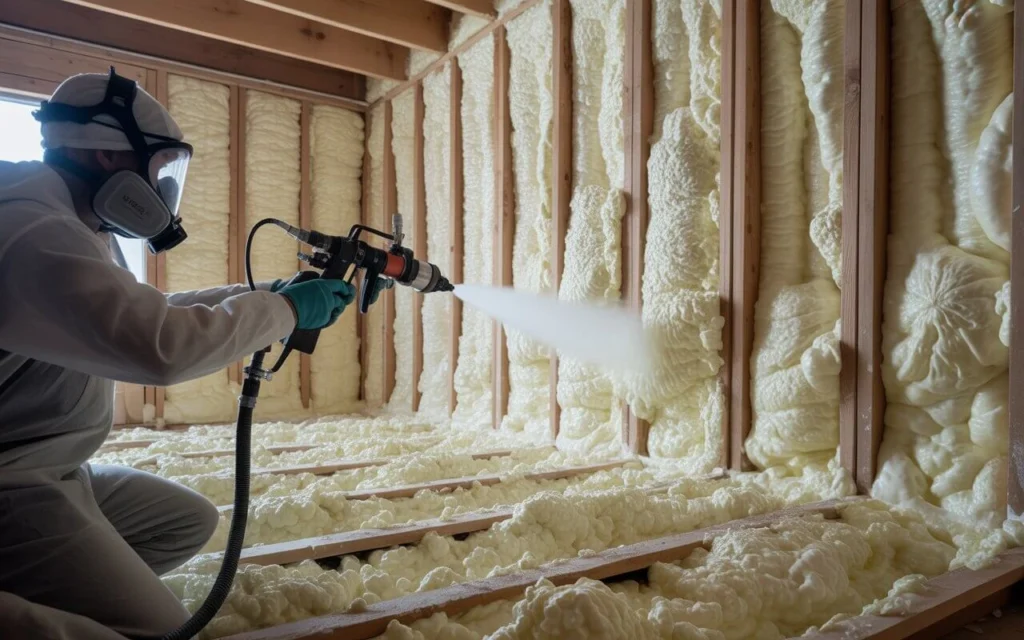
That’s where DIY spray foam insulation becomes a game changer. It’s one of the most effective modern solutions for sealing air leaks, improving comfort, and reducing energy bills without requiring full professional renovation.In this guide, I’ll walk you through everything in a simple, practical way—just like I explain it to homeowners during real site visits.
Content
What Makes DIY Spray Foam Insulation So Effective?
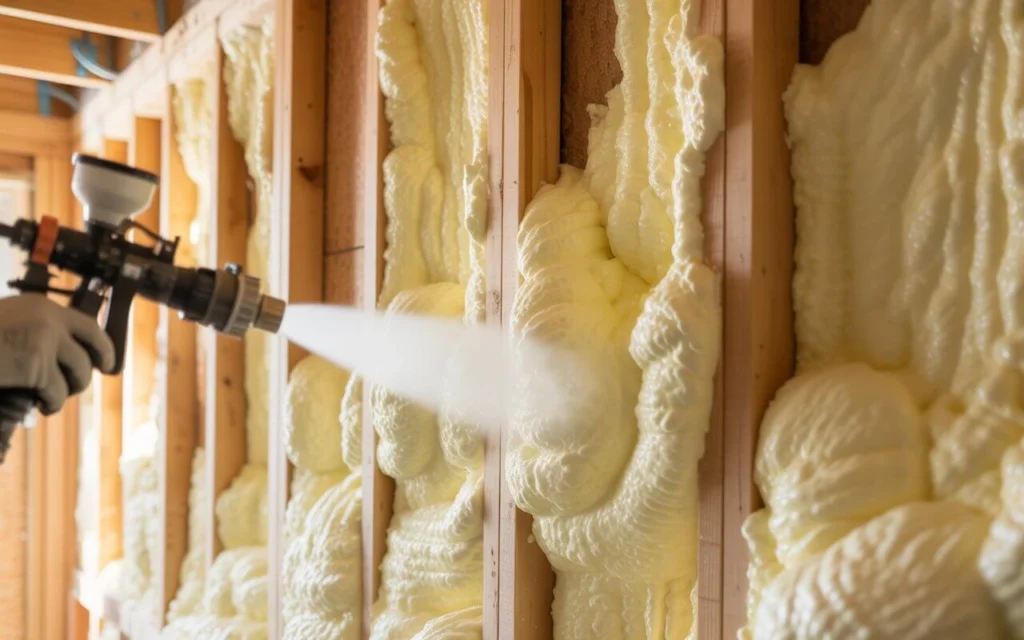
Unlike traditional fiberglass or mineral wool, spray foam expands after application. This allows it to fill even the smallest gaps, cracks, and hidden air pathways. This is why many professionals now recommend DIY spray foam insulation as an effective energy efficient home insulation method based on foam technology.
Here’s what makes it stand out:
- Expands and seals gaps automatically
- Reduces air leakage significantly
- Improves indoor temperature control
- Acts as both insulation and air barrier
- Long-lasting performance with minimal maintenance
In simple terms, it doesn’t just insulate—it seals.
Understanding the Basics of DIY Spray Foam Insulation Before You Start
Before jumping into an application, it’s important to understand what you’re working with. Most DIY kits contain polyurethane foam that expands on contact with air. You’ll typically find two types:
Closed-cell spray foam insulation
- Denser and more rigid
- Better for moisture resistance
- Higher insulation value
Open-cell foam (lighter type)
- Softer and flexible
- Better for soundproofing
- Expands more but offers slightly lower thermal resistance
For most homeowners, closed-cell spray foam insulation is preferred for walls, garages, and outdoor-facing areas.
Tools and Materials You Will Need
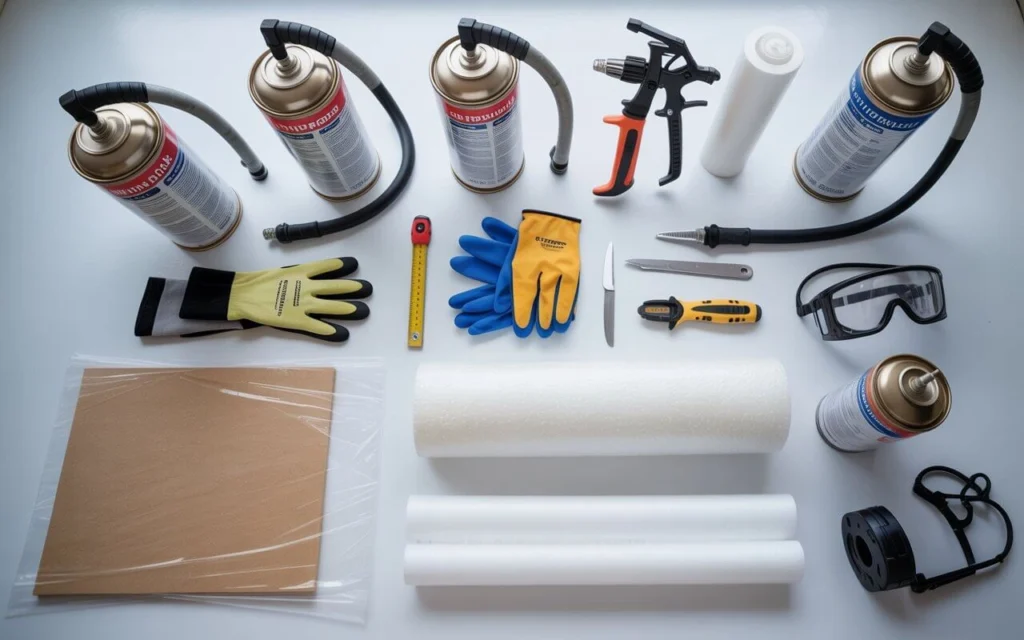
One of the biggest advantages of this project is that it doesn’t require advanced equipment. A standard spray foam insulation kit is usually enough.Basic tools include:
- Spray foam insulation kit
- Protective gloves and goggles
- Utility knife for trimming excess foam
- Mask or respirator
- Drop cloth or plastic sheets
If you’re searching for the best spray foam insulation kit for home use, choose one that includes a balanced mix of foam components and a reliable spray nozzle system for even application.
Step-by-Step DIY Spray Foam Insulation Process
This is where most beginners get confused, but I always break it down into simple steps.
1. Inspect the area carefully
Check walls, attic corners, and gaps around windows or pipes. Air leaks usually hide in these spots.
2. Clean the surface
Dust, moisture, or grease can reduce adhesion. Make sure the surface is dry and clean.
3. Protect surrounding areas
Cover floors and nearby furniture because foam expands quickly.
4. Start spraying in thin layers
This is important. Many beginners make the mistake of over-spraying. Instead:
- Apply in short bursts
- Let each layer expand before adding more
- Focus on gaps first, then broader surfaces
This approach is a core part of how to apply DIY spray foam insulation at home safely and effectively.
5. Trim excess foam
Once cured, remove extra foam using a utility knife for a clean finish.
Where DIY Spray Foam Works Best
Based on real home projects I’ve handled, spray foam performs exceptionally well in:
- Attic insulation
- Basement wall sealing
- Garage doors and side gaps
- Window and door frames
- Plumbing and electrical penetrations
If your goal is DIY spray foam insulation for attic and walls, these areas should be your priority.
Common Mistakes to Avoid
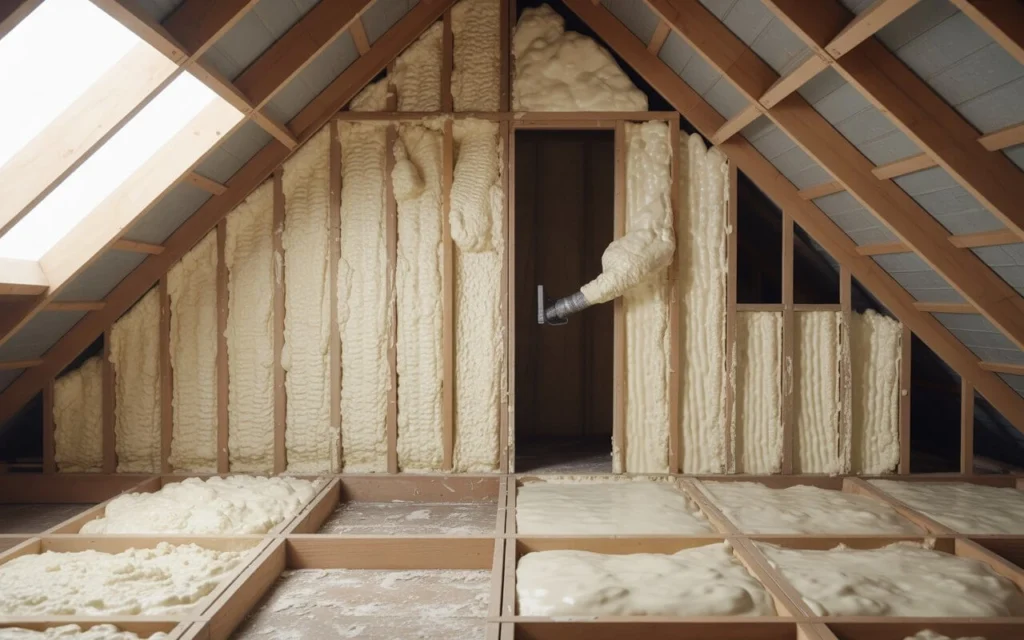
Even though the process is simple, mistakes can reduce effectiveness. Here are the most common ones I’ve seen:
Over-application
Too much foam leads to waste and uneven surfaces.
Ignoring safety gear
Foam chemicals can irritate skin and lungs.
Spraying on wet surfaces
Moisture reduces bonding strength.
Not allowing expansion time
Foam needs time to fully expand before adding layers. Avoiding these mistakes is part of mastering DIY spray foam insulation techniques, especially when focusing on mistakes to avoid when using spray foam insulation DIY for proper application and long-lasting results.
Real-Life Case Study: A Small Home Energy Upgrade
One of my recent projects involved a small 5-marla house where the owner complained about high electricity bills and uneven room temperatures.
Problem:
- Heat loss through roof and side walls
- Constant use of AC even at moderate weather
- Poor sealing around windows
Solution Applied:
We used a DIY spray foam insulation approach for key leakage points:
- Attic corners
- Window frames
- External wall gaps
Results After 3 Weeks:
- Indoor temperature became more stable
- Electricity bill reduced noticeably
- Rooms felt more insulated during peak heat hours
The homeowner mentioned that it felt like the house had “finally stopped leaking air.”This is a perfect example of how small improvements using air sealing foam insulation techniques can create a big impact.
Benefits You Can Expect
When applied correctly, spray foam insulation offers long-term advantages:
- Lower energy bills
- Better indoor comfort
- Reduced noise from outside
- Strong air barrier against leaks
- Improved HVAC efficiency
This is why it is widely considered a leading solution for modern energy efficient home insulation upgrades.
DIY vs Professional Installation
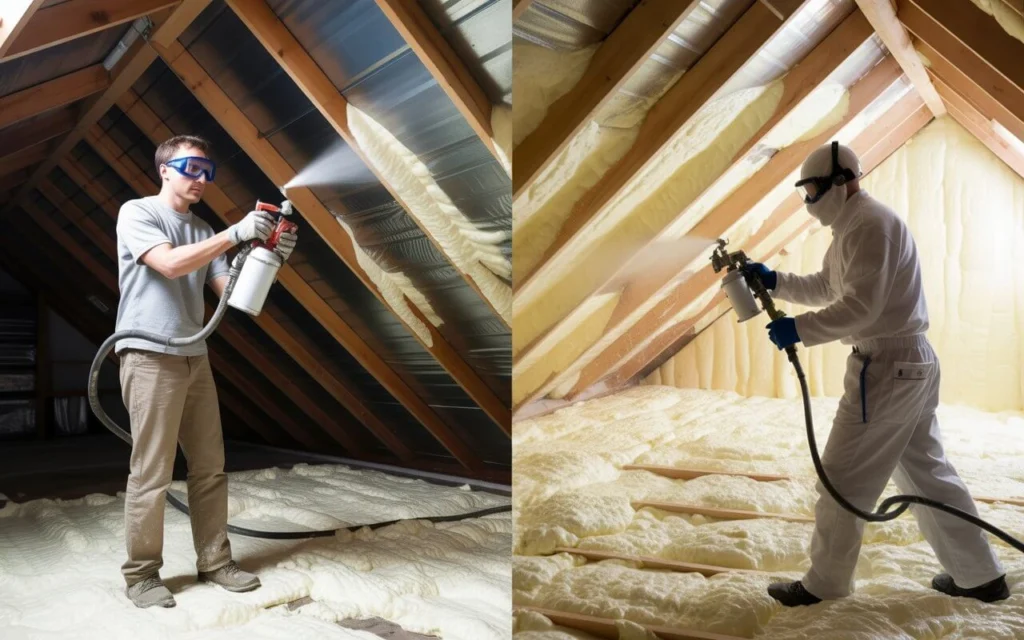
Many homeowners ask whether they should do it themselves or hire experts.
DIY approach:
- More affordable
- Good for small to medium areas
- Requires careful attention
Professional installation:
- Best for large homes
- More precise coverage
- Higher upfront cost
If you are working on a small project, DIY is absolutely practical. But for full-house insulation, professional help is often more efficient.
Final Thoughts from My Experience
From my years of working on insulation projects, I’ve learned one important thing: small air leaks cause big energy losses. Using DIY spray foam insulation is one of the most effective ways to take control of your home’s comfort without major renovation costs. Whether you’re sealing a garage, insulating an attic, or fixing drafty walls, this method delivers long-lasting results when done carefully.
The key is not perfection—it’s consistency, proper application, and choosing the right materials. Just like making Diy laundry detergent at home, successful DIY insulation projects depend on using the correct ingredients, following the right process, and paying attention to detail. If you approach it the right way, even a simple weekend project can transform how your home feels year-round.
FAQs
Can I spray foam insulate myself safely at home using a DIY spray foam insulation kit?
Yes, you can do it yourself using a DIY spray foam insulation kit, but proper safety gear and careful application are essential to avoid health risks and uneven coverage.
What is the average cost to spray foam insulate a 1500 square foot area?
It typically ranges from moderate to high depending on foam type, but DIY can significantly reduce costs compared to professional installation.
Is DIY spray foam insulation worth it for energy savings and home comfort?
Yes, it is often worth it because it improves energy efficiency, reduces air leakage, and lowers long-term heating and cooling costs.
What is the best DIY spray foam insulation for beginners and home projects?
Closed-cell spray foam insulation kits are usually best for beginners due to better insulation value and moisture resistance.
What are the main disadvantages of spray foam insulation in homes?
High upfront cost, potential installation errors, and difficulty in removal are the most common disadvantages.