
A career as a Heavy Machinery Operator is one of the most practical and high-demand paths in construction and infrastructure development. From moving earth on construction sites to operating advanced industrial equipment, this profession plays a critical role in shaping modern cities.
In this guide, you’ll get a complete, easy-to-understand breakdown of the job role, required skills, training process, salary expectations, and real-world opportunities. Whether you’re a beginner exploring options or planning a career switch, this detailed overview will help you understand everything clearly.
Content
What Does a Heavy Machinery Operator Do?
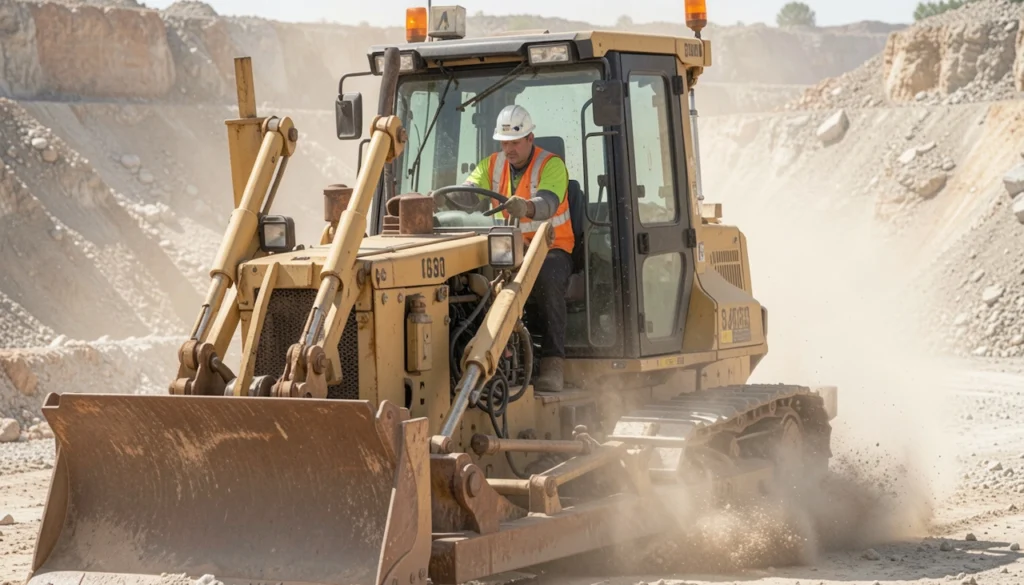
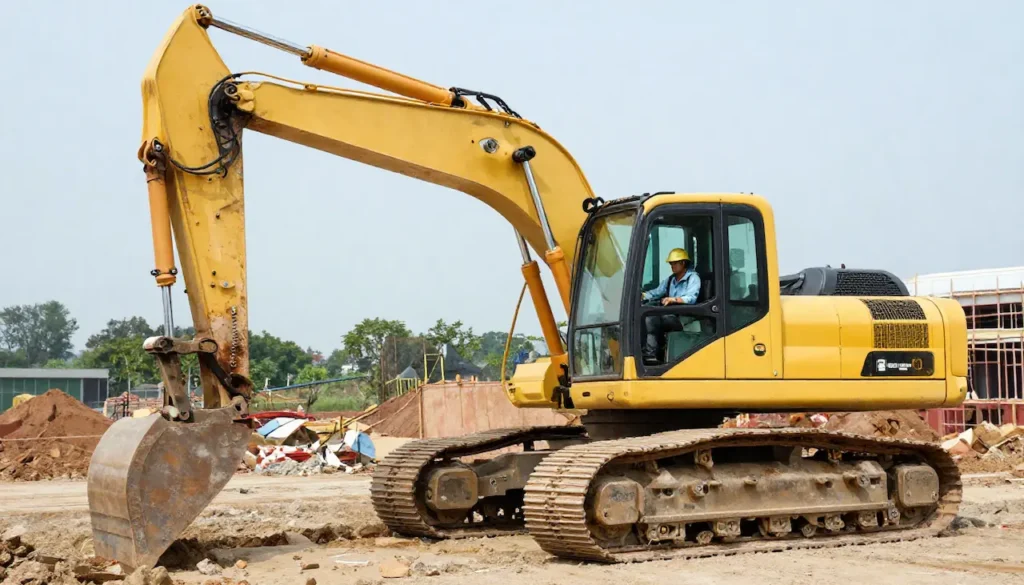
A heavy machinery operator is responsible for controlling large construction and industrial equipment used in building roads, bridges, buildings, and mining operations. These machines may include excavators, bulldozers, loaders, cranes, and graders.In simple terms, they are the professionals who physically move, lift, dig, and shape the ground to prepare construction sites.
Typical daily responsibilities include:
- Operating heavy equipment safely and efficiently
- Inspecting machines before and after use
- Following construction plans and site instructions
- Assisting in material movement and site preparation
- Performing basic maintenance checks
This role requires precision, focus, and strong awareness of safety procedures.
Essential Skills Needed to Become a Heavy Machinery Operator
Becoming a successful operator is not just about handling machines—it’s about building a strong foundation of technical and safety skills.
Key skills include:
- Equipment control and coordination
- Understanding construction site machinery operations
- Strong attention to detail
- Physical stamina and endurance
- Basic mechanical knowledge
- Communication skills for teamwork
Modern employers also look for candidates with proper equipment safety training, as safety is a top priority on every job site.
How to Become a Heavy Machinery Operator with No Experience
Many people start this career without prior experience. The path is structured and accessible if you follow the right steps.
Step-by-step process:
- Complete basic education (high school or equivalent)
- Enroll in a technical training program
- Gain hands-on practice with simulators or real machines
- Complete certification programs
- Apply for entry-level roles or apprenticeships
Most beginners start with heavy machinery operator training and certification requirements programs offered by vocational institutes or construction training centers.
Training and Certification Requirements

To work professionally, operators must complete structured training. This ensures they understand both machine handling and safety protocols.
Training typically includes:
- Machine operation fundamentals
- Site safety rules and compliance
- Equipment maintenance basics
- Practical driving and handling sessions
Many employers prefer candidates with a recognized heavy equipment license, which validates their skills and knowledge.Certifications may vary by country, but internationally recognized programs improve job opportunities significantly.
Heavy Machinery Operator Career Path and Job Opportunities
This profession offers a strong and stable career path in multiple industries such as construction, mining, oil and gas, and infrastructure development.
Career progression:
- Entry-level operator trainee
- Certified equipment operator
- Senior heavy machinery operator
- Site supervisor or foreman
- Equipment training instructor
With experience, operators often specialize in machines like excavators or cranes, becoming highly skilled professionals in their field.Job demand is especially high in developing regions where infrastructure projects are rapidly growing.
Salary Expectations in the Industry
The salary of a heavy machinery operator depends on experience, location, and type of equipment handled.
General salary range:
- Entry-level: Moderate starting income
- Mid-level: Competitive and stable earnings
- Experienced operators: High-paying skilled positions
Operators working on specialized machines or international projects often earn significantly higher wages.
Safety Tips for Heavy Machinery Operators on Construction Sites
Safety is the most critical aspect of this profession. A small mistake can lead to serious consequences, which is why training emphasizes discipline and awareness.
Important safety practices:
- Always inspect equipment before operation
- Follow all site safety instructions
- Wear protective gear (helmet, gloves, boots)
- Maintain safe distance from other workers
- Avoid operating machinery when fatigued
Strong construction site machinery safety habits not only protect the operator but also the entire team.
Real-Life Case Study: From Beginner to Skilled Operator

One inspiring example comes from a worker named Ahmed (name changed for privacy), who started his career with no technical background. Coming from a small town, he joined a local construction site as a helper.Initially, he was only responsible for basic site support tasks. However, he showed interest in machines and enrolled in a short vocational course focused on heavy equipment operator jobs for beginners.
Within six months of training, he was able to operate a small excavator under supervision. After gaining experience, he completed certification and moved into full-time operation work.Today, he works on large infrastructure projects, handling advanced machinery with confidence. His journey shows that dedication and proper training can transform a beginner into a skilled professional.
Job Market Outlook and Future Growth
The demand for skilled operators continues to rise due to global infrastructure development. Roads, housing projects, and industrial expansion are increasing the need for trained professionals.
The future of this profession is also evolving with technology:
- Smart and automated machinery systems
- GPS-enabled construction equipment
- Advanced safety monitoring tools
Even with automation, human operators remain essential for precision control and decision-making on-site.
Common Challenges in This Profession
While the career is rewarding, it comes with challenges:
- Long working hours on construction sites
- Exposure to weather conditions
- Physical and mental fatigue
- High responsibility for safety
However, with experience and proper training, these challenges become manageable.
Final Thoughts
A career as a heavy machinery operator offers more than just technical work—it provides long-term stability, skill development, and strong job opportunities across industries. With the right construction equipment operator training, dedication, and safety awareness, anyone can build a successful path in this field.
Whether working on large construction projects or supporting specialized tasks like a One day bathroom remodel, skilled operators play an important role in completing projects efficiently. If you’re considering a practical and hands-on career, this profession remains one of the most reliable and future-proof choices in the construction industry.
FAQs
What is the highest paid heavy machine operator?
Highest paid roles usually include crane and tunnel boring machine operators in large infrastructure and mining projects.
What are top 6 skills examples for a heavy equipment operator?
Key skills include machine control, safety awareness, coordination, mechanical knowledge, communication, and problem-solving.
How do I write a CV for an excavator operator?
Focus on certifications, equipment experience, safety training, and specific machines operated, such as excavators or loaders.
What is a machine operator’s job salary?
Salary varies by region and experience, with higher pay for skilled operators working on advanced construction equipment.
Is machine operator a NOC job?
Yes, in many countries it falls under skilled labor or NOC (National Occupational Classification) categories depending on specialization.

Joan Woolf is a home blogger who loves to share her experiences with others. She likes being motivated and encourages people to be the best they can be.