In recent months, news of a Home Depot rival closing has sent ripples through the home improvement market. With 94 stores shutting down across America, many shoppers are left wondering what this closure means for their home improvement needs and the retail industry at large. This article breaks down the reasons behind this store closure, its impact on consumers and competitors, and practical ways shoppers can adapt.
Content
Home Depot Rival Closing: Background of the Store and Its History
The retail chain in question, now facing a Home Depot rival closing, had long been considered one of the major competitors in the home improvement market, offering a wide range of hardware, DIY, and renovation products. Founded decades ago, it gained popularity for competitive pricing, extensive inventory, and a community-focused approach. However, despite its strong brand presence, economic pressures and market shifts eventually led to its decline.
For many, this store wasn’t just a shopping destination; it was a trusted partner for home renovation projects, seasonal landscaping supplies, and DIY workshops. The Home Depot rival closing marks the end of an era for local hardware enthusiasts and loyal customers.
Why the Closure is Happening
Several factors contributed to this home improvement store closure, reflecting broader trends in the retail industry:
Economic Pressures and Market Competition
Increasing competition from giants like Home Depot and Lowe’s made it difficult for mid-sized retailers to maintain market share. The company struggled to match pricing, online offerings, and promotional strategies of larger chains.
Changing Consumer Behavior
Over the past few years, the Home Depot rival closing highlights how shoppers have increasingly favored online shopping for convenience. Many customers now compare prices online, order products for home delivery, or opt for digital marketplaces. This shift has significantly impacted foot traffic to physical stores.
Internal Business Challenges
Operational inefficiencies, rising overhead costs, and supply chain disruptions contributed to declining profitability. These issues made it unsustainable to continue operating all locations, ultimately leading to the decision to close stores nationwide.
Impact on Shoppers
The closure of a Home Depot rival has immediate consequences for customers:
Loss of Nearby Shopping Options
Many communities now face fewer in-person home improvement options. Customers who relied on the local store for quick purchases or expert advice must now travel farther or turn to online alternatives.
Price and Product Availability Changes
With fewer competitors in the market, some shoppers may experience higher prices or limited product availability, especially for specialty items.
Alternative Stores and Solutions
For DIY enthusiasts, exploring alternatives to Home Depot after rival store closure is essential. Local hardware stores, online marketplaces, and even smaller regional chains can fill the gap left by the closure.
Case Study:
A family in Ohio, the Johnsons, depended on the local store for weekend DIY projects, but the Home Depot rival closing forced them to find alternatives. After the closure, they initially struggled to source quality lumber and tools locally. However, by discovering a nearby independent hardware store that offered personalized guidance and occasional discounts, they not only continued their projects but also found a more community-oriented shopping experience. This example highlights that while closures are disruptive, they can also uncover hidden alternatives that benefit shoppers.
Effects on the Retail Industry
The closure sends clear signals to the home improvement retail industry:
Impact on Competitors
Chains like Home Depot may see a short-term increase in foot traffic and sales, but they also face the challenge of accommodating new customers’ needs and maintaining quality service.
Local Business Implications
Independent hardware stores may benefit from new customers, yet they also need to scale operations carefully to avoid supply shortages.
Trends in Big-Box Store Closures
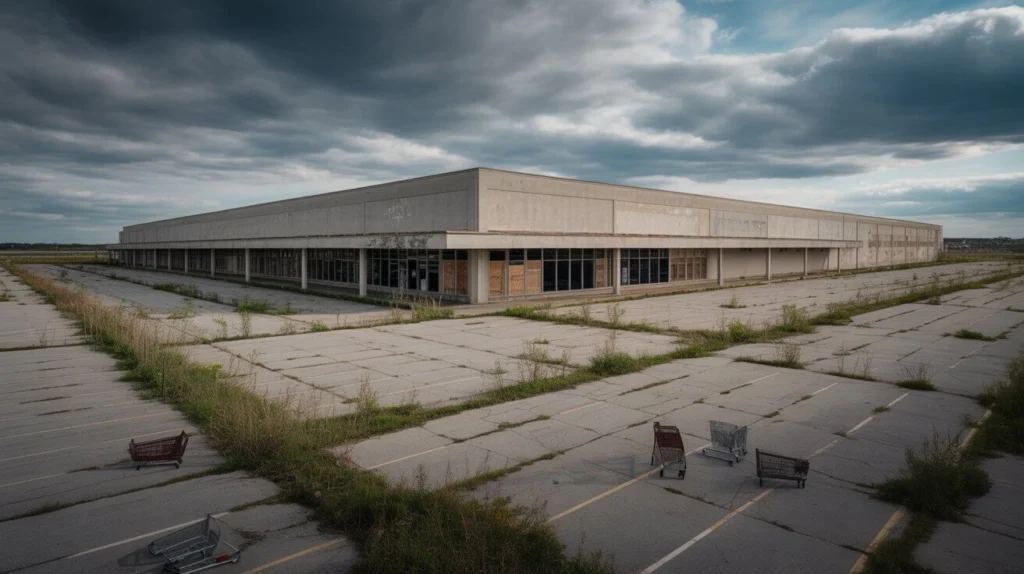
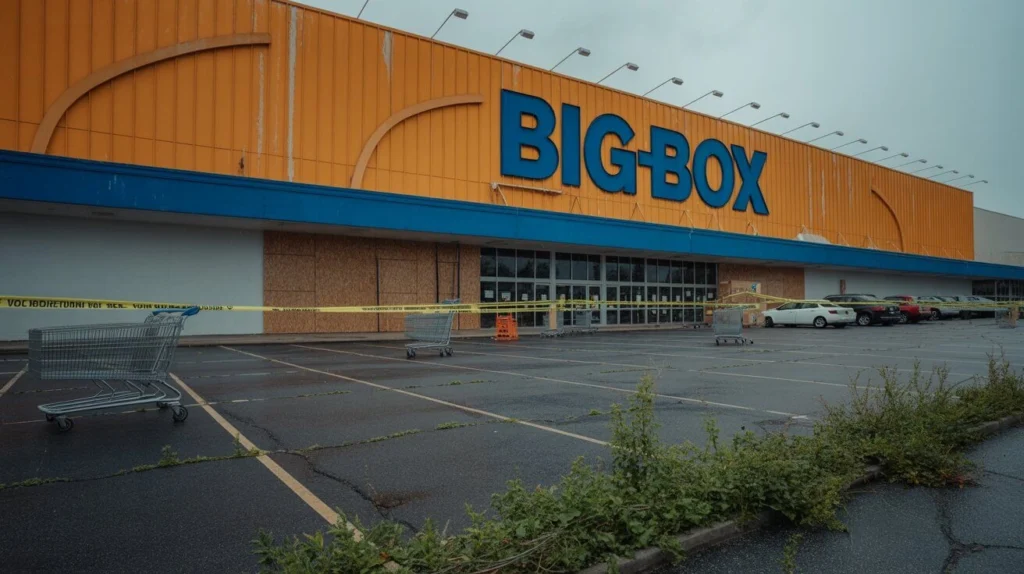
The Home Depot rival closing aligns with a broader pattern of big-box store closures nationwide, driven by e-commerce growth, consumer behavior shifts, and economic pressures. Retailers must innovate to stay relevant, offering both online and offline solutions to retain market share.
How Consumers Can Adapt
While the closure may feel inconvenient, there are practical strategies to adapt:
Embrace Online Shopping
Many products previously purchased in-store are now widely available online, often with home delivery options. Retailers like Amazon, Lowe’s, and Home Depot offer competitive pricing, subscription services, and DIY resources.
Support Local Hardware Stores
Smaller hardware stores often provide personalized guidance and community-focused services. Supporting these businesses not only fills the gap left by large chain closures but also strengthens local economies.
Plan Ahead for DIY Projects
When working on renovations, ordering supplies in advance and maintaining a list of alternative suppliers can prevent project delays. For example, maintaining a subscription to online hardware marketplaces ensures timely delivery.
Conclusion:
The Home Depot rival closing reflects significant shifts in consumer behavior, retail competition, and economic pressures. While it disrupts shopping routines, it also highlights opportunities for both consumers and smaller local businesses. Shoppers can adapt by exploring alternative stores, embracing online shopping, and planning DIY projects more strategically.
In a rapidly changing retail landscape, staying informed and flexible is essential. The Johnson family’s story reminds us that even in the wake of store closures, creative solutions, community-focused alternatives, and smart strategies for cleaning at home can make home improvement projects more successful and enjoyable.
FAQs
Who is Home Depot’s main competitor?
Main Home Depot competitors include Lowe’s, Menards, and regional hardware chains.
Is 117-year-old Home Depot rival closing?
Yes, the 117-year-old Home Depot rival is closing multiple stores across the U.S.
Which stores are permanently closing?
94 stores of the Home Depot rival are permanently closing nationwide.
Joan Woolf is a home blogger who loves to share her experiences with others. She likes being motivated and encourages people to be the best they can be.