Squeaky floors are one of those home issues that seem small at first, but over time they can become surprisingly annoying. Whether it’s a quiet creak during the night or a loud squeak every time someone walks across the room, the sound usually signals that something is moving where it shouldn’t.
In most cases, learning how to fix squeaky floors is simpler than expected. With the right approach, tools, and a bit of patience, many homeowners can restore quiet, stable flooring without major renovation work.
This guide breaks down practical DIY methods, explains why squeaks happen, and shares a real-life case study to help you understand what actually works in real homes.
Content
How to Fix Squeaky Floors: Why Floors Start Squeaking Over Time
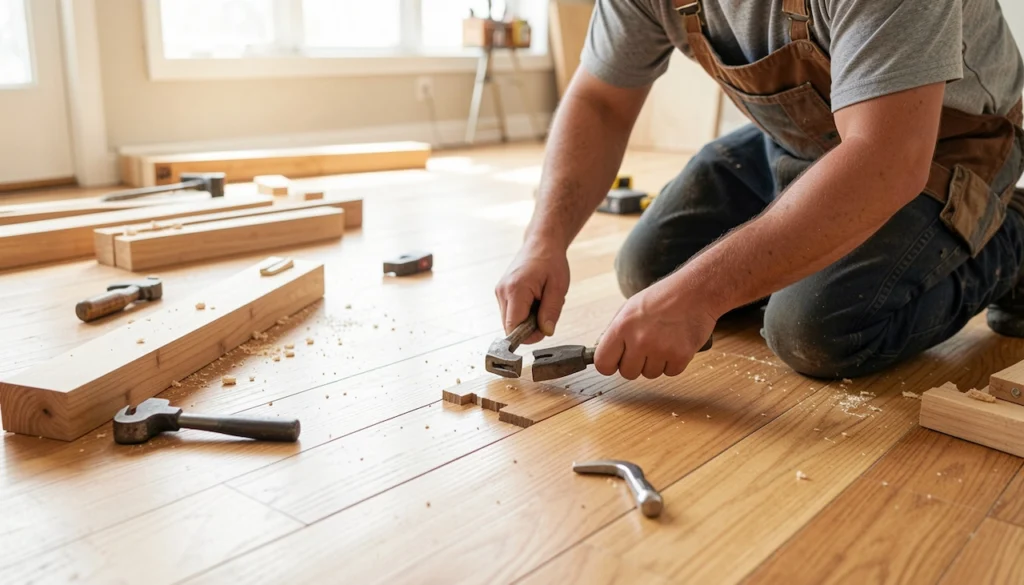
Before jumping into repairs, it’s important to understand the root of the issue. Most squeaky flooring problems are caused by movement between wooden components, which is a key step in learning how to fix squeaky floors effectively.
Common reasons include:
- Loose nails rubbing against wood
- Gaps between subfloor and joists
- Natural wood expansion and contraction
- Aging construction materials
- Poor installation or spacing issues
When these parts shift even slightly, friction creates noise. This is why many homeowners search for squeaky floor cleaning repair solutions once the sound becomes frequent.In older homes, fixing noisy floorboards becomes a common maintenance task because materials loosen naturally over time.
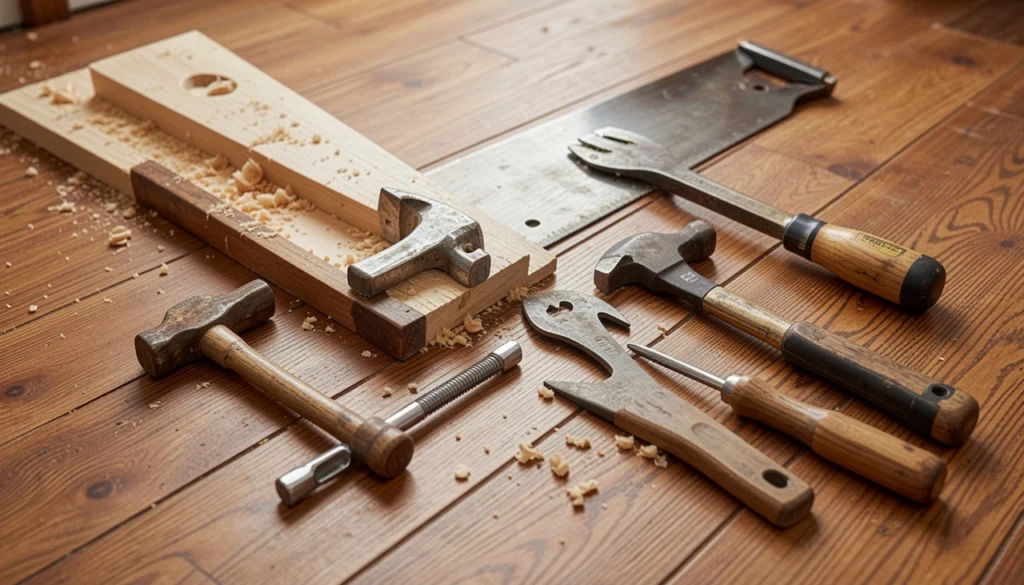
Tools You’ll Need for Fixing Squeaky Floors
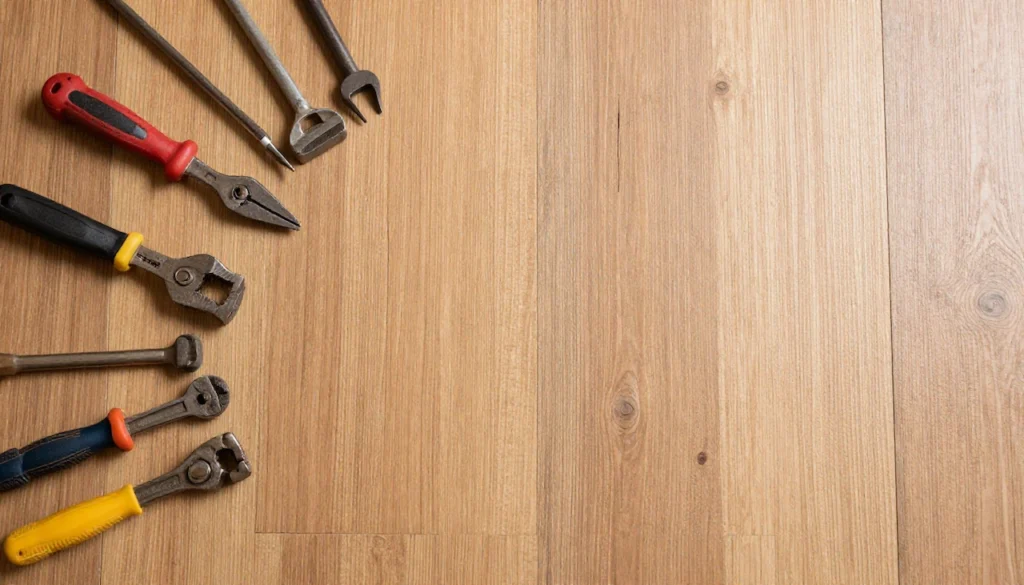
Most repairs don’t require professional equipment. A simple DIY toolkit is often enough.
Basic tools include:
- Drill and screws
- Hammer and finishing nails
- Wood glue
- Shims for leveling
- Stud finder
- Lubricant powder (for carpeted floors)
Having these ready makes the process faster and smoother, especially when dealing with hidden squeaks under flooring layers.
How to Fix Squeaky Floors Without Removing Carpet
One of the most searched concerns is how to fix squeaky floors without removing carpet. Fortunately, there are effective methods that don’t require tearing up flooring.
Step 1: Locate the Squeak
Walk slowly across the room and mark areas where noise is strongest. A helper can assist by identifying exact spots.
Step 2: Find Floor Joists
Use a stud finder to locate joists beneath the carpet. This step is crucial for stable repair.
Step 3: Secure the Subfloor
Drive specialized screws through the carpet into the joist. These screws are designed to break off below the surface, leaving no visible marks.
Step 4: Reduce Friction
In some cases, applying a dry lubricant or powder can help reduce movement between layers.This method is especially useful for how to fix squeaky floors in upstairs bedroom situations where full access is limited.
How to Fix Squeaky Hardwood Floors from Above
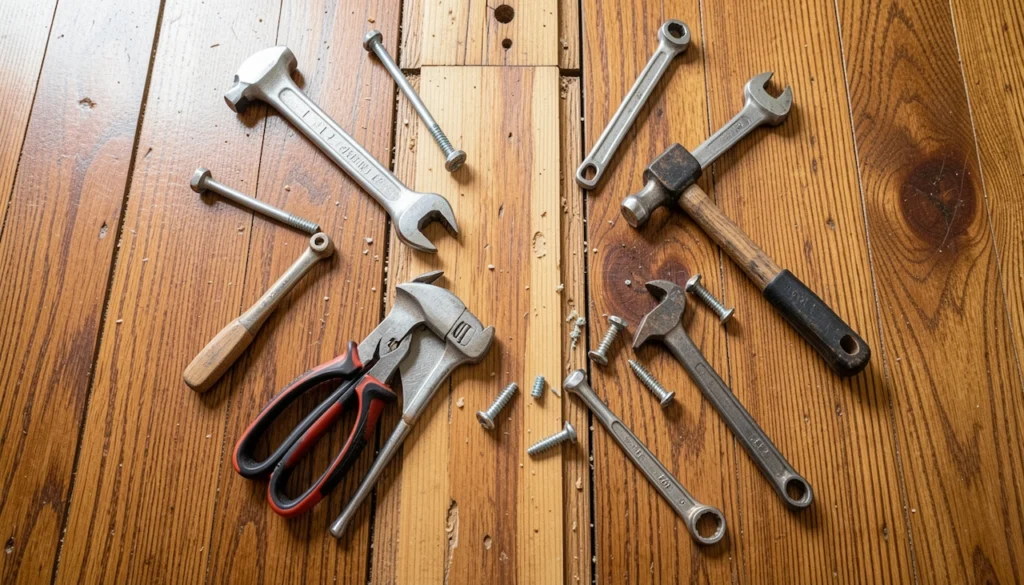
Hardwood flooring offers more direct access, making repairs easier in many cases.
Tighten Loose Floorboards
If boards are moving slightly, screws can be used to secure them tightly to the joists, which is a common method used when learning how to fix squeaky floors and eliminate unwanted noise.
Reinforce Weak Areas
For persistent noise, adding additional support screws helps eliminate movement completely.
Address Gaps Between Boards
Small gaps can be filled using wood filler to reduce friction and stabilize the surface.These steps are commonly used in how to fix squeaky hardwood floors from above projects and are effective for long-term results.
Fixing Squeaky Floors from Below (If You Have Basement Access)
If your home has a basement or crawl space, this method is often the most effective.
Strengthen Joists
Adding wooden blocks between joists reduces movement and distributes weight evenly, which is an essential step when understanding how to fix squeaky floors effectively and ensuring long-term stability.
Install Shims
Shims can be inserted between joists and subfloor areas to remove small gaps causing noise.
Secure Subfloor Panels
Screws or construction adhesive can permanently stabilize loose sections.This is one of the best subfloor repair methods for long-term squeaky floor control.
Real-Life Case Study: A Quiet Fix in an Old Family Home

A homeowner I worked with had a 25-year-old house where the hallway floors squeaked loudly every time someone walked through at night, which is a common issue people face when learning how to fix squeaky floors.
Instead of replacing the flooring, we used a combination of:
- Subfloor screws from below (basement access)
- Wood shims for leveling weak joints
- Reinforcement blocks between joists
Within a few hours, the noise reduced significantly. After one week, the floor was completely silent. The homeowner was surprised that such a simple fix could solve what felt like a major problem.This is a great example of how loose floorboard fix solutions can be both affordable and highly effective when done correctly.
Common Mistakes to Avoid During Repairs
Many DIY attempts fail due to small but critical mistakes:
- Over-tightening screws and damaging wood
- Not locating the exact noise source
- Ignoring joist alignment
- Using incorrect screw length
- Skipping subfloor inspection
Avoiding these errors ensures your flooring noise repair lasts longer and performs better.
Preventing Future Floor Squeaks
Once you’ve completed repairs, prevention becomes important, especially when learning how to fix squeaky floors in a way that keeps them from coming back again.
Simple maintenance tips include:
- Maintain stable indoor humidity levels
- Inspect flooring annually
- Reinforce weak spots early
- Avoid excessive moisture exposure
- Use proper installation methods for new flooring
These steps help reduce the chances of needing repeated flooring maintenance in the future.
Final Thoughts for Homeowners
Learning how to fix squeaky floors doesn’t require advanced skills or expensive tools. In most cases, it’s about identifying movement, securing loose sections, and reducing friction between materials.
Whether you’re dealing with carpeted areas, hardwood surfaces, or older subfloor systems, there’s always a practical solution available. With the right approach, even persistent squeaks can be turned into quiet, stable flooring again. In some cases, homeowners may also consider refinishing timber floors to restore appearance, improve durability, and enhance the overall condition of aging wood surfaces.A well-maintained floor not only improves comfort but also adds long-term value to your home—making it one of the most worthwhile DIY repairs you can tackle.
FAQs
What is the easiest way to fix squeaky floors?
Simple DIY methods include tightening screws and securing loose boards to stop squeaks.
Can you fix squeaky floors without removing flooring?
Yes, you can repair squeaky floors using screws or lubricant without removing flooring.
How do I stop my floors from creaking when walking?
Secure loose floorboards and reduce friction between wood layers to stop creaking.
Can squeaky floors be fixed from underneath?
Yes, reinforcing joists and subfloors from below is a highly effective method.
What is the most common cause of squeaking floors?
Loose boards, nail movement, and wood friction are the main causes of squeaky floors.

Joan Woolf is a home blogger who loves to share her experiences with others. She likes being motivated and encourages people to be the best they can be.