Sliding doors are one of the most convenient and stylish additions to modern homes. They offer natural light, easy access to patios or gardens, and can make a small space feel more open. However, one small problem—like a broken or faulty lock—can turn this convenience into a safety concern.
If you’re dealing with a broken sliding door lock, don’t panic. Whether you’re planning a DIY sliding door lock repair guide or thinking of hiring a professional, understanding the replacement process, the types of locks, and the steps involved can save you time, money, and stress.In this article, we’ll explore everything you need to know about sliding door lock replacement, provide step-by-step instructions, and share a real-life case study to help you make informed decisions.
Content
Why Sliding Door Lock Replacement Is Important
A faulty sliding door lock isn’t just inconvenient—it’s a serious security concern. Over time, sliding door locks can become loose, worn out, or completely jammed. Common causes include:
- Frequent usage and wear
- Exposure to weather or humidity
- Forced entry or attempted break-ins
- Poor installation or low-quality locks
Ignoring a broken lock can lead to security issues, drafts, and even structural damage if the door starts to misalign. That’s why timely sliding door lock replacement is essential to maintain safety and functionality.
Types of Sliding Door Lock Replacement
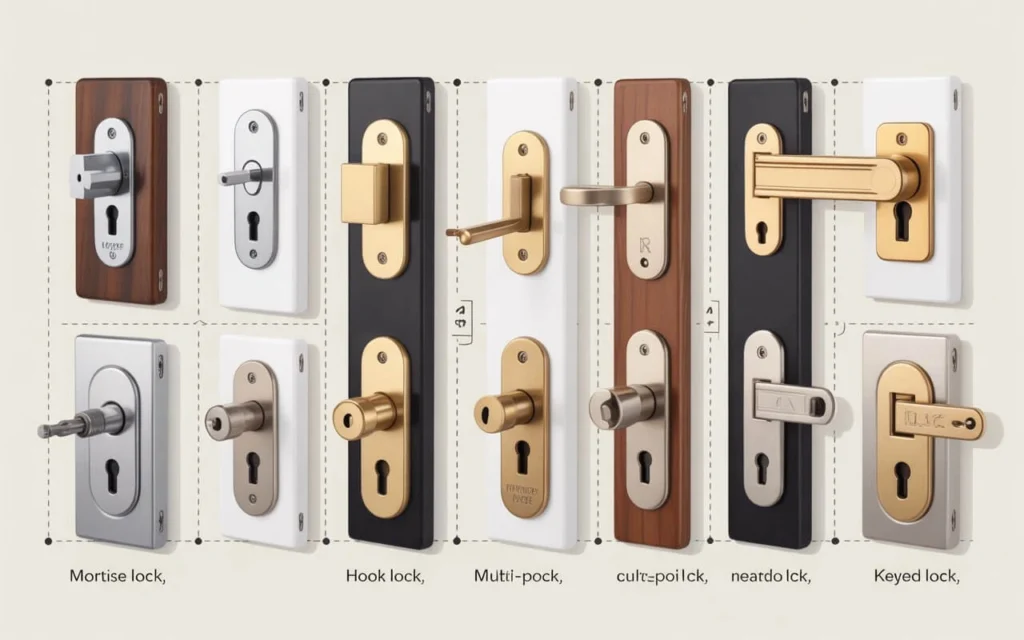
Before replacing a lock, it’s important to know what type you’re dealing with. Here are the most common options:
- Mortise Locks: Built into the door frame and considered very secure.
- Surface-Mounted Locks: Installed on the door surface and often easier to replace.
- Keyed Locks: Provide extra security but can be more complex to install.
- Foot Bolt Locks: Simple locks that secure the door from the bottom.
Identifying your lock type helps in choosing the right replacement and ensures smooth installation.
Tools Needed for Sliding Door Lock Replacement
Whether you’re doing a DIY sliding door lock repair or supervising a professional, these tools are commonly required:
- Screwdriver set (Phillips and flathead)
- Tape measure
- New sliding door lock kit
- Drill (if new holes are needed)
- Lubricant for smooth operation
- Safety gloves
Step-by-Step Sliding Door Lock Replacement Tutorial
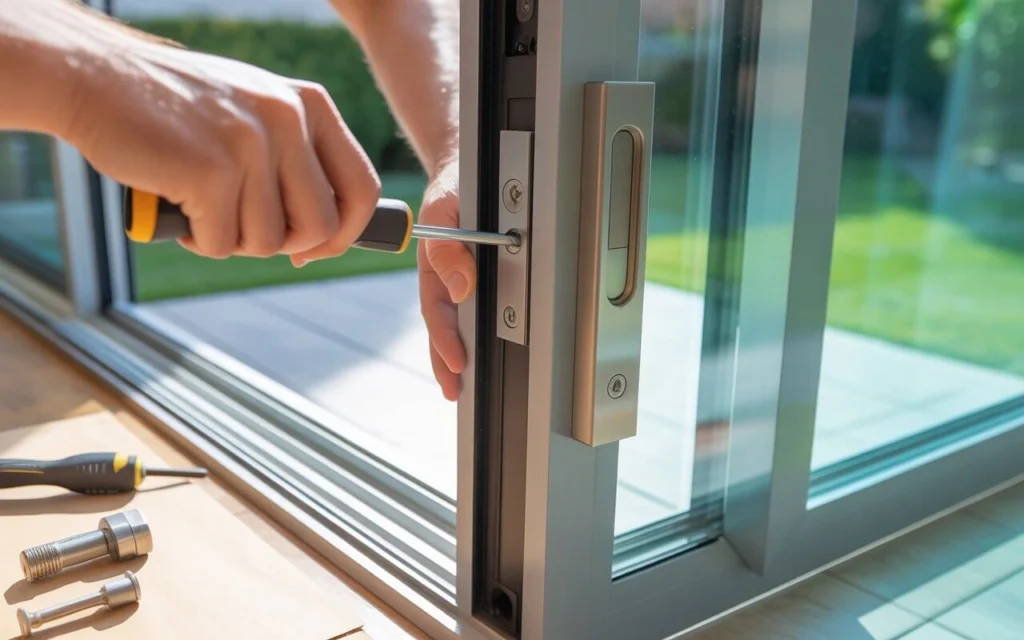
Here’s a step-by-step guide to replace your sliding door lock. These steps are suitable for most standard sliding doors:
Step 1: Remove the Old Lock
- Start by unscrewing any visible screws from the old lock.
- Gently pull the lock out from the door frame.
- Take note of the orientation and size, as it helps when installing the new lock.
Step 2: Inspect the Door
- Check the door frame for wear or damage.
- Ensure the track is clean and the door slides smoothly.
- This is a good time to lubricate the rollers if needed.
Step 3: Install the New Lock
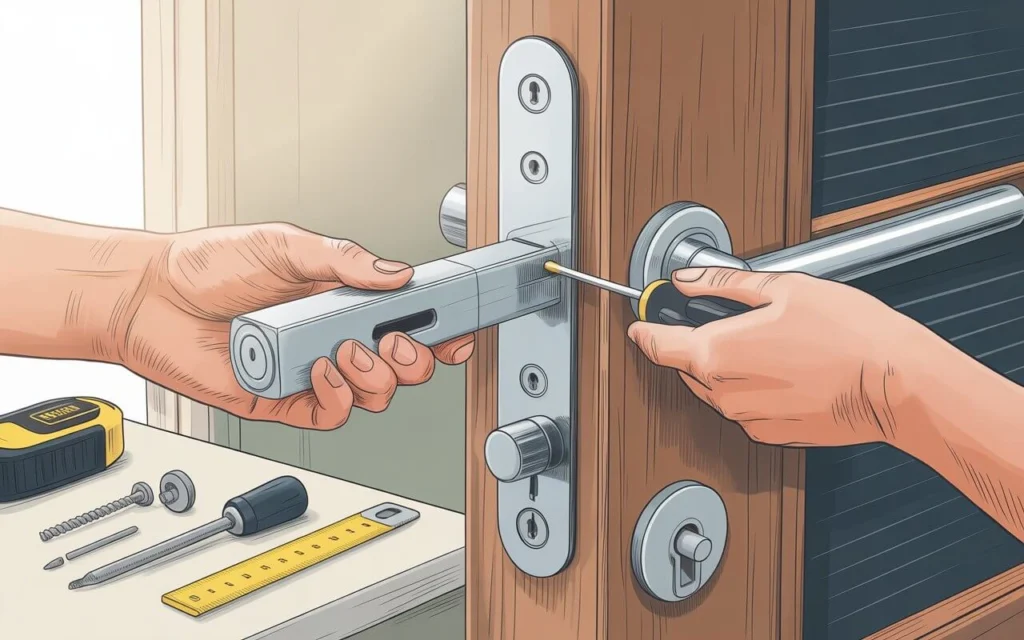
- Fit the new lock into the slot or cavity.
- Align screws carefully and tighten them securely.
- Test the locking mechanism before closing the door fully.
Step 4: Test Security
- Close and lock the door multiple times to ensure smooth operation.
- If it feels loose or misaligned, adjust the screws or the strike plate.
- Confirm that the lock engages fully and the door cannot be lifted from the outside.
By following this step-by-step sliding door lock replacement tutorial, you can ensure a smooth, secure, and long-lasting repair.
Real-Life Case Study: How a Simple Lock Replacement Prevented a Break-In
Last summer, my neighbor Sarah noticed her patio sliding door lock was sticking. At first, she ignored it, thinking it was just a minor inconvenience. Two weeks later, someone tried to force the door open while she was away. Thankfully, the old lock held, but it was a wake-up call.Sarah decided to do a full sliding door lock replacement. She hired a local professional who replaced the old lock with a high-quality mortise lock. Since the replacement:
- The door slides smoothly without sticking
- She feels safer knowing the door is secure
- She avoided costly repairs from a potential break-in
This case perfectly illustrates why timely replacement is not just about convenience—it’s about safety and peace of mind.
Common Problems During Replacement and How to Fix Them
Even experienced DIYers may face challenges when replacing sliding door locks. Here are some common issues and solutions:
- Misaligned Lock: Ensure the door is level; adjust the strike plate if needed.
- Loose Screws: Use longer screws or anchors to secure the lock firmly.
- Door Doesn’t Lock Properly: Lubricate the locking mechanism and test multiple times.
- Lock Too Tight or Difficult to Operate: Check for obstructions in the track or door frame.
Addressing these problems during installation saves you headaches later.
Cost of Sliding Door Lock Replacement
The cost can vary depending on:
- Type of lock (mortise, keyed, surface-mounted)
- Quality of the replacement lock
- Professional labor vs. DIY installation
- Additional repairs or adjustments needed
On average, a sliding door lock replacement can range from $50–$150 for DIY, while professional services may cost $150–$300. Keep in mind, investing in quality locks can prevent future repair costs and improve home security.
Tips for Maintaining Your Sliding Door Lock
Once you’ve replaced the lock, proper maintenance ensures long-term performance:
- Clean and lubricate the lock every 6–12 months
- Avoid slamming the door to prevent wear
- Regularly check screws and tighten if necessary
- Upgrade to high-quality locks for enhanced security
By following these tips, you can extend the life of your sliding door lock and reduce the need for frequent replacements.
Final Thoughts
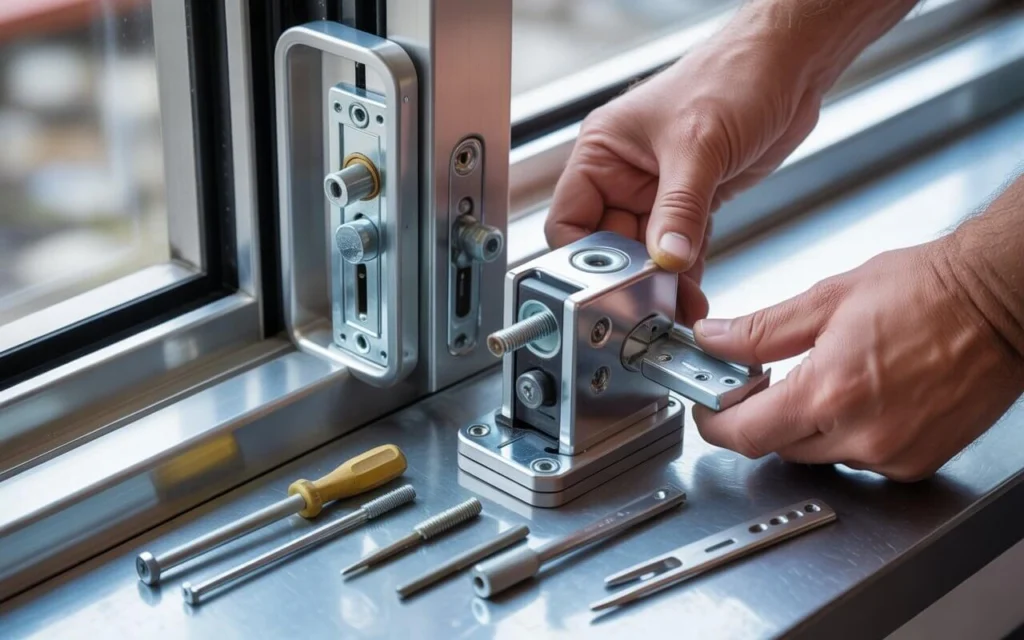
A sliding door lock replacement may seem like a small project, but it has a big impact on your home’s security, convenience, and peace of mind. Whether you follow a DIY sliding door lock repair guide or hire a professional, understanding the lock type, installation steps, and proper maintenance can save time, money, and frustration. Just like Sarah’s story—timely replacement prevented a potential break-in. While inspecting your locks, consider pairing them with blinds for sliding glass doors to enhance privacy and protection. Don’t wait until it’s too late—check your locks today and keep your sliding doors secure.
FAQs
Can a lock on a sliding glass door be replaced?
Yes, sliding door lock replacement works for most standard doors.
Are all sliding door locks the same size?
No, sizes vary; always measure before replacing a sliding door lock.
How do I know which lock will fit my door?
Choose the correct type for your door frame: mortise, keyed, or surface-mounted.
What are the common problems with sliding door locks?
Locks may stick, jam, become loose, or fail due to wear or weather.
How to measure a replacement lock?
Measure the door thickness, lock cavity, and handle position before buying.

Joan Woolf is a home blogger who loves to share her experiences with others. She likes being motivated and encourages people to be the best they can be.