
Sliding glass doors are more than just a stylish addition to your home—they play a crucial role in letting natural light in, connecting indoor and outdoor spaces, and enhancing the overall look of your property. However, choosing the right standard sliding glass door size can feel overwhelming with so many options available. In this guide, I’ll walk you through everything you need to know, including dimensions, panel options, practical tips, and even a real-life case study from my experience as a home renovation expert.
Content
Understanding Standard Sliding Glass Door Sizes
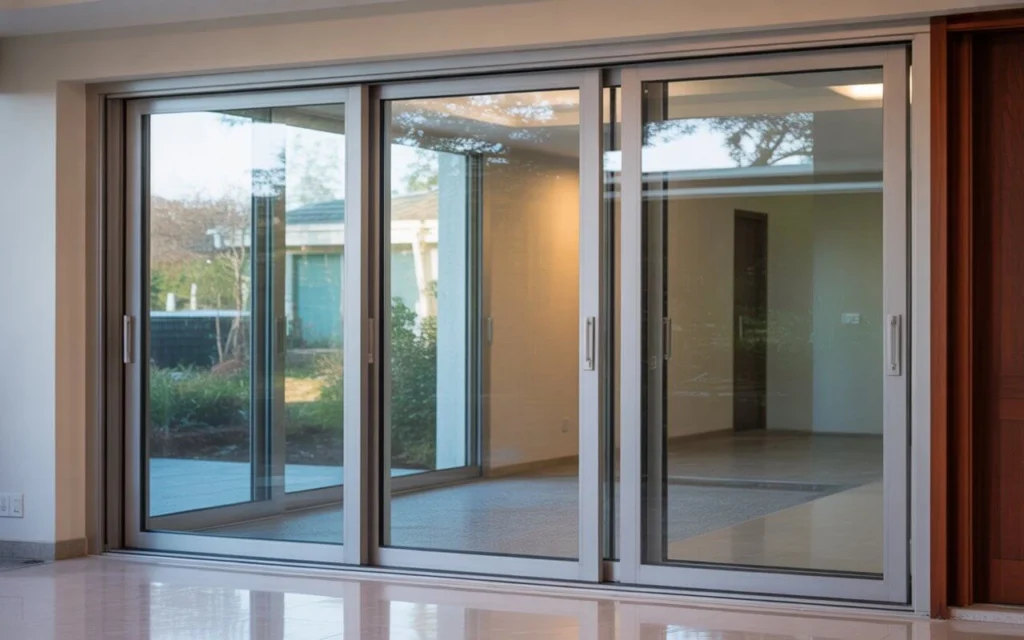
The first step in choosing a sliding glass door is understanding what counts as a standard sliding glass door size. Typically, residential sliding doors are designed with two panels or three panels, each with varying width and height combinations. Most standard doors have a height of 80 inches (6 feet 8 inches) and widths that range between 60 inches (5 feet) and 144 inches (12 feet), depending on the number of panels and manufacturer.
Here’s a breakdown of the most common configurations:
- Two-panel sliding doors: Each panel ranges between 30–36 inches wide. Total width is usually 60–72 inches.
- Three-panel sliding doors: Panels can range from 24–36 inches each, giving a total width of 72–108 inches.
- Patio sliding glass doors: Often slightly larger, designed to fit expansive patio spaces, with widths of 96–144 inches.
Knowing these dimensions is essential, especially when planning furniture placement or considering energy efficiency. Using a sliding glass door size for replacement requires precise measurement to ensure a snug fit.
How to Measure a Standard Sliding Glass Door
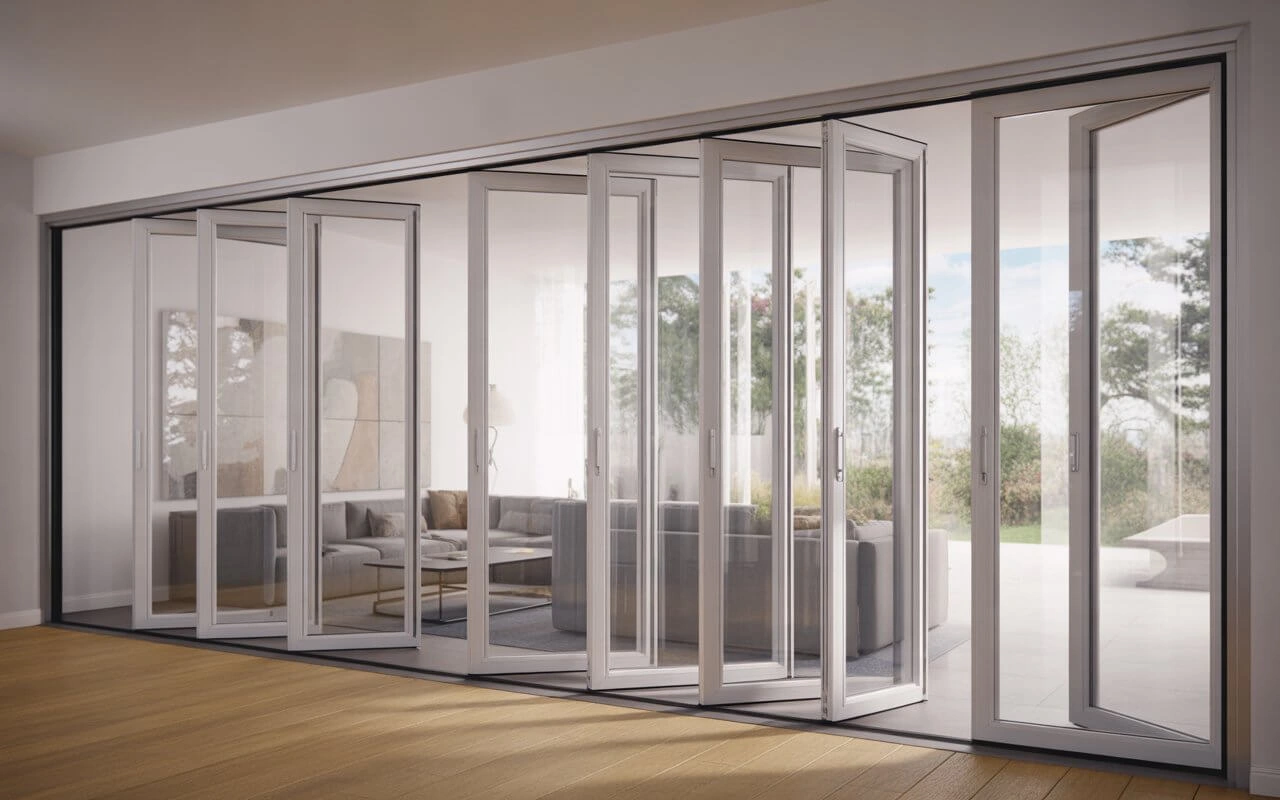
Measuring a sliding glass door is simpler than it sounds if you follow a step-by-step approach. Here’s what I do in my own projects:
- Measure the Width: Measure from one side of the frame to the other at three points—top, middle, and bottom. Use the smallest measurement.
- Measure the Height: From the floor to the top of the frame at three points and again, use the smallest number.
- Check for Level Floors and Walls: Uneven floors or frames may require a custom sliding glass door size instead of a standard one.
A real-life tip: I once helped a client replace a sliding door in their sunroom. The old door was slightly off-standard at 77 inches wide. By measuring carefully and ordering a slightly custom-sized door, we avoided the hassle of resizing the frame during installation. This shows why knowing the standard sliding glass door size in inches helps prevent costly mistakes.
Two-Panel vs. Three-Panel Sliding Doors
The number of panels not only affects the width but also the functionality and aesthetic of your space.
- Two-panel doors: Ideal for smaller spaces and typical patios. They are easier to operate and generally more cost-effective.
- Three-panel doors: Perfect for larger rooms or living spaces that require a broader view. They allow for more natural light and create a more open feel but can be slightly heavier to operate.
A long-term client in Chicago wanted a three-panel door to connect their living room to a rooftop garden. Choosing the three-panel sliding glass door size allowed for maximum sunlight and unobstructed views while maintaining standard height for easy installation.
Custom Sliding Glass Door Sizes
While standard sizes cover most needs, some homeowners require custom sliding glass door sizes due to unique architectural features or uneven openings. Custom doors allow for:
- Non-standard widths or heights
- Matching old structures in renovations
- Unique interior designs like corner openings or L-shaped living areas
Even in custom setups, understanding how to measure standard sliding glass door size remains important because it sets a baseline for designing your custom door.
Sliding Glass Patio Door Sizes
Patio doors often require larger spans, sometimes stretching up to 12 feet or more. Choosing the right sliding glass door size for patio ensures:
- Smooth operation of the panels
- Maximum natural light
- Easy movement of furniture in and out
Pro tip: Always measure both the width and the rough opening before purchasing a patio door. I’ve worked with clients who thought a standard 72-inch door would fit a 9-foot opening—it didn’t. Accurate measurement avoids these installation headaches.
Cost Considerations Based on Door Size
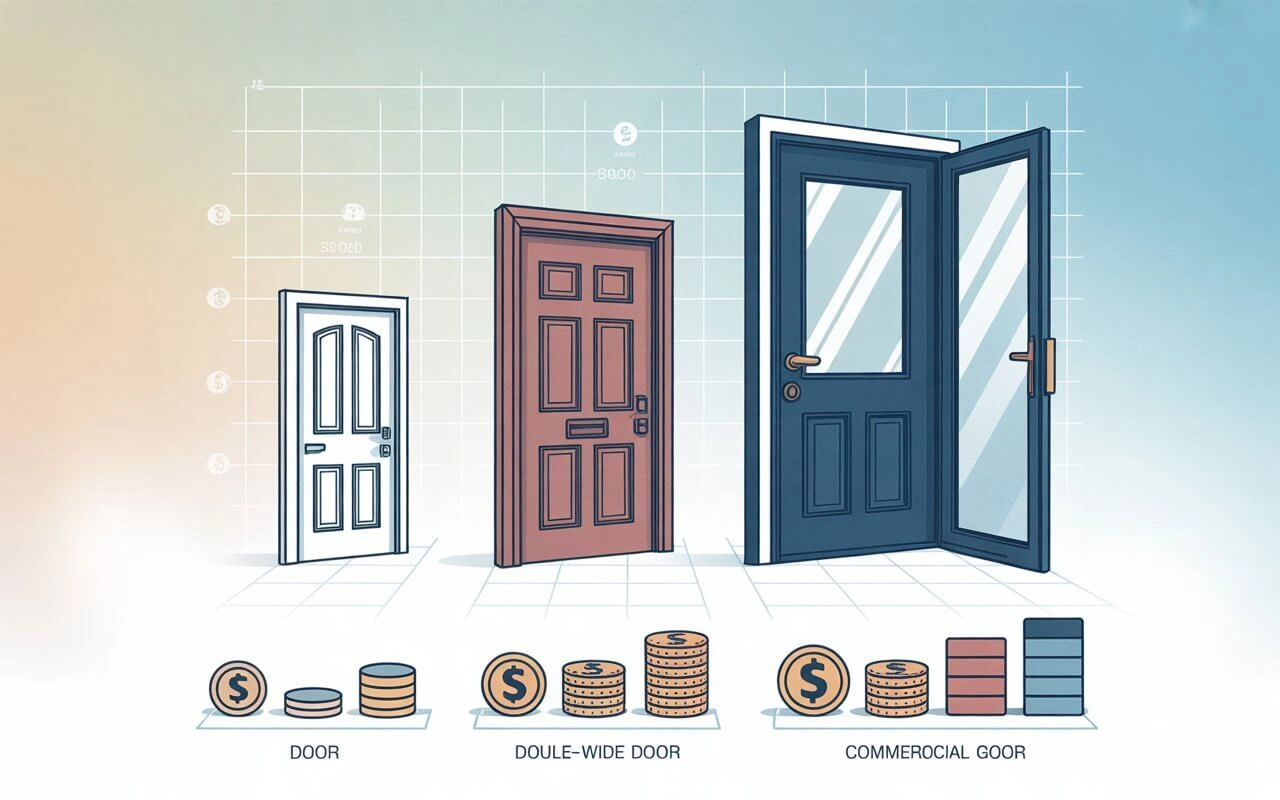
The size of your sliding glass door directly impacts the price. Here’s a simple breakdown:
- Standard sliding glass doors: Usually cost between $300–$1,000 per door, depending on material and brand.
- Custom sliding glass doors: Can range from $1,200–$3,000+ due to specialized manufacturing and installation needs.
- Energy-efficient or insulated doors: Slightly more expensive but save money in the long term on heating and cooling.
Choosing the right sliding glass door size vs. cost requires balancing aesthetics, function, and your budget.
Installation Considerations
Installing a sliding glass door may seem straightforward, but there are a few things to consider:
- Frame Material: Aluminum, vinyl, or wood—each affects durability and maintenance.
- Floor Leveling: Uneven floors can interfere with smooth operation.
- Track Maintenance: Ensure tracks are clean and properly aligned for ease of sliding.
A recent client in Austin had a sunroom renovation. By choosing a standard sliding glass door size for the replacement, we avoided expensive adjustments, ensuring the door opened smoothly and aligned perfectly with the floor.
Real-Life Case Study: Transforming a Living Space
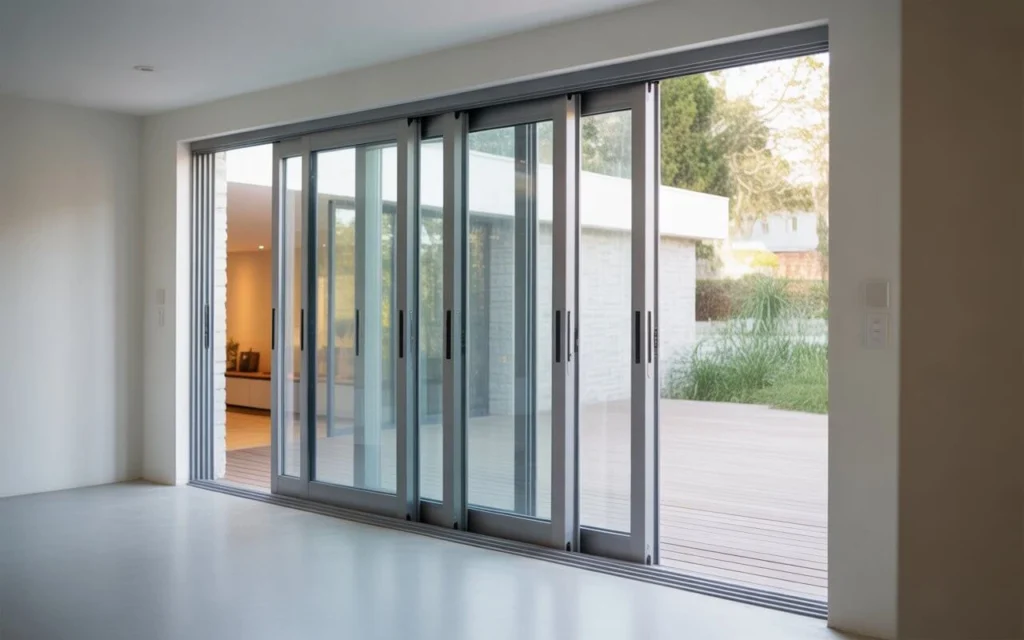
One memorable project involved a family in San Diego who wanted to open their living room to the backyard. The space required a three-panel sliding glass door, and by carefully measuring and selecting the appropriate standard sliding glass door size, we created a bright, airy transition from indoor to outdoor space.
The result? The family could enjoy indoor-outdoor living with maximum sunlight and unobstructed views, all while staying within budget. This case highlights how careful attention to the standard sliding glass door size and panel configuration can dramatically enhance a home’s comfort and style.
Final thought
Choosing the right standard sliding glass door size is more than just a matter of measurements—it’s about creating a seamless connection between your indoor and outdoor spaces, maximizing natural light, and enhancing the overall style and comfort of your home. By understanding standard dimensions, carefully measuring your openings, and considering panel configurations, you can select a door that fits perfectly while complementing design features such as Blinds for sliding glass doors for added privacy, light control, and visual harmony.
Whether you opt for a two-panel or three-panel design, paying attention to the standard sliding glass door size ensures functionality, aesthetic appeal, and long-term satisfaction for years to come.
FAQs
What is the standard size of a sliding door in MM?
Most residential sliding doors have a standard height of 2032 mm (80 inches) and widths ranging from 1524 mm to 2438 mm (60–96 inches), depending on the number of panels.
Are most doors 32 or 36 inches?
For interior doors, 32 or 36 inches is common, but standard sliding glass doors are usually wider, starting at 60 inches for two panels.
What is the minimum width of a sliding door?
The minimum practical width for a residential sliding door is 60 inches (two-panel), which allows comfortable passage and furniture movement.
What size is a 8080 sliding door?
An 8080 sliding door typically measures 800 mm x 800 mm, often used for compact spaces like patios or small balconies, but not common for standard residential sliding glass doors.
Is 42 a standard door size?
A 42-inch width is not standard for sliding glass doors. Standard widths usually start at 60 inches for two-panel doors and increase with additional panels.

Joan Woolf is a home blogger who loves to share her experiences with others. She likes being motivated and encourages people to be the best they can be.